SEO IRL 2026 review: why the conference marketing felt misleading to us
My business partner and I travelled from Ottawa expecting practical, evidence-backed SEO. We left feeling the sessions we heard did not match the expectations set by the event’s promotional language.
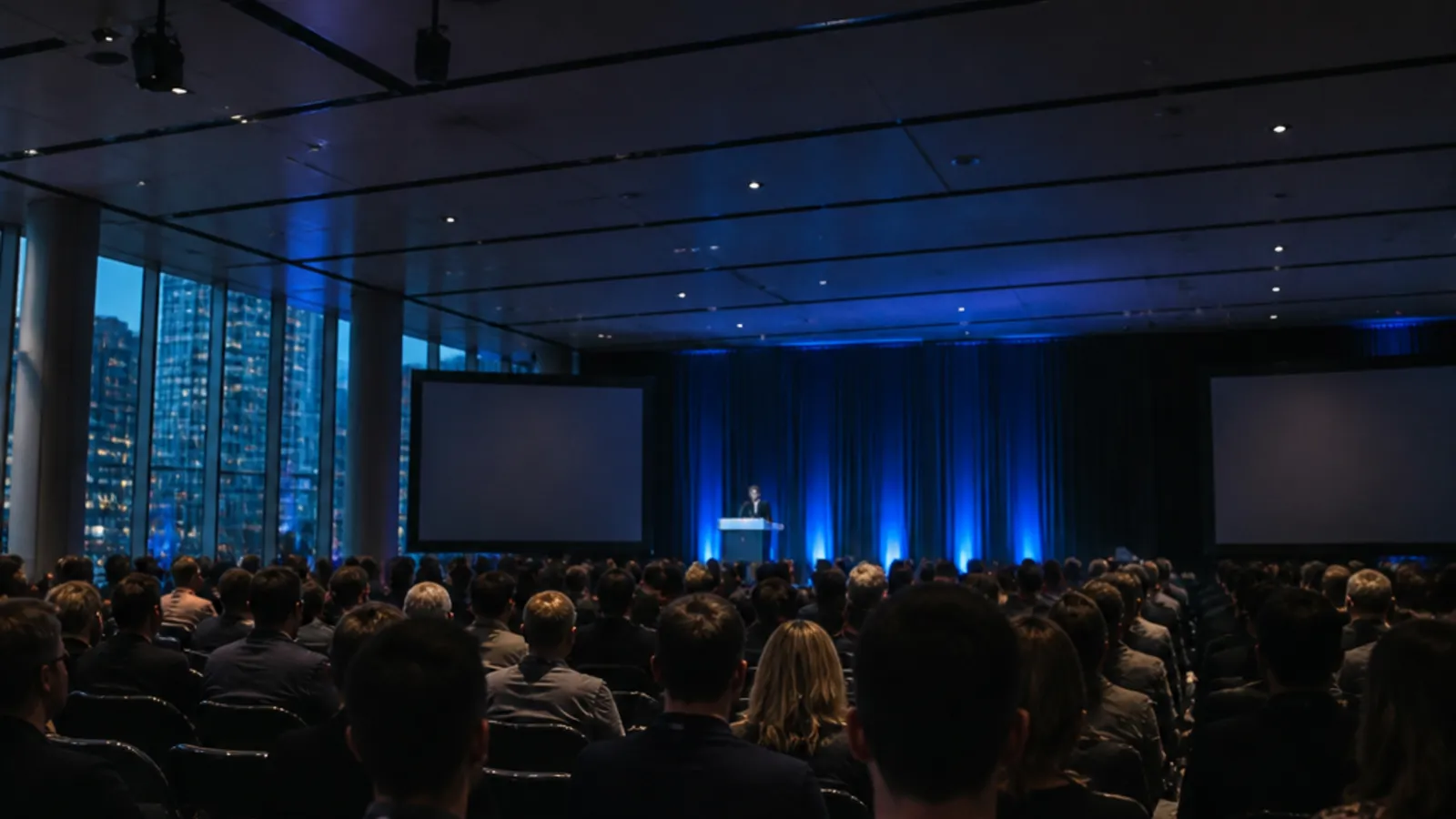
Scope and fairness: This is our account and opinion of the sessions we attended, not a claim that every speaker or attendee had the same experience. I use “misleading” to describe the gap we perceived between the event’s marketing and the educational value we received; I am not claiming to know anyone’s intent.
Why we travelled from Ottawa to SEO IRL 2026
My business partner and I were genuinely excited to attend SEO IRL 2026 in Toronto on October 6 and 7. We bought two tickets, booked accommodation, travelled from Ottawa, and set aside two days away from running our SEO businesses. That is a real investment of money, planning, and working time—not just the ticket price.
The event’s promotional language led us to expect practical SEO education grounded in real-world results: tested tactics, proven strategies, and speakers prepared to show what had worked. We wanted to leave with a clearer view of what was implemented, what changed, how long it took, and what the evidence showed.
What the SEO IRL marketing led us to expect
After the conference, I went back and reviewed the language used on the official SEO IRL website. The phrases that shaped our expectations included:
- “Real-world results”
- “Have the receipts”
- “No theory, just innovative SEO that works”
- “Real-world test results and up-to-date tactics”
- “Duplicate the strategies and tactics that actually move the needle”
Those are strong promises for a professional conference. We read them as a commitment to demonstrations: actual projects, a before and after, implementation detail, timelines, and supporting measurements—not simply a discussion of ideas or a description of what might work.
My criticism is about that expectation gap. I am not saying that every attendee should value the same things, or that networking has no value. I am explaining what those words meant to us when we decided to attend.
What we heard across 12 speakers
Of the 12 speakers we listened to, approximately 10 did not provide what I would consider a concrete SEO case study connecting a specific tactic to measurable results. That is my assessment of the sessions we heard, not an independent audit of every presentation or every speaker.
We heard plenty of discussion. What we wanted—and felt was missing in most of those talks—was a usable chain of evidence:
- What site or project was being worked on?
- What was the starting point?
- Which SEO changes were implemented, and how?
- How long did the work take?
- What happened to rankings, organic traffic, or another outcome?
- What data supports that result, and what limitations apply?
Without those details, it is difficult for an attendee to separate a promising idea from a tested method—or to know what they could responsibly try in their own work. For us, actionable evidence was the reason to travel.

Why I checked some speaker websites—and what that can’t prove
After questioning the educational value of the sessions, I looked up several websites associated with speakers using Semrush. Some showed lower estimated organic search traffic than I expected. I want to be careful about what that observation means.
Semrush traffic figures are third-party estimates, not a website owner’s Google Analytics or Search Console data. A person’s own site traffic does not establish their SEO expertise, the results they achieve for clients, or the value of a conference presentation. I am not publishing this as proof that any speaker lacks ability. It raised a narrower question for me: when an event is marketed around measurable results, should speakers be ready to show relevant evidence for the methods they teach?
Our conversation with organizer Steve Toth
We approached organizer Steve Toth to share our disappointment. We started by complimenting the event’s organization before explaining our concern about the educational content. In my recollection, the conversation moved away from that main concern and ended when Steve walked away, without the content issue being addressed.
That was disappointing, particularly because we were trying to explain the difference between a professionally run event and the education we felt had been advertised. This is my recollection of the interaction; I am not presenting it as a transcript or quoting words that I did not record.
Ticket refund update: what was—and wasn’t—reimbursed
Both conference tickets were refunded in full on October 7, 2026. I acknowledge and appreciate that the ticket refunds were issued. The refund resolved the ticket cost, but it did not cover our accommodation or travel expenses from Ottawa, and it did not replace the two days we had taken away from our businesses.
As of this October 9 update, the tickets have been refunded; travel and accommodation have not been reimbursed. My concern about the difference between the advertised educational value and what we experienced remains. The issue was never only the ticket price—it was the investment we made around the claims that persuaded us to attend.
Was SEO IRL professionally organized?
Yes. I want to be clear that our criticism of the educational experience does not erase the parts that worked. The event itself was professionally organized. Other attendees may have found real value in networking, particular talks, or the conference overall. Our experience is not a substitute for theirs.
Two things can be true at once: a conference can be organized well, and the sessions a particular attendee heard can fall short of what that attendee expected from the marketing. For us, those are separate questions.
What attendees can ask before buying an SEO conference ticket
This experience has made me more specific about what I want to see before committing travel and work time to an SEO conference. If education is the main reason you are attending, consider asking organizers or reviewing the published agenda for:
- A named site or clearly described project, with private information appropriately removed.
- A baseline: rankings, organic traffic, conversions, or another relevant measure before the work.
- The exact intervention and what was changed, including technical and content details.
- A timeline that shows when the work happened and how long results took.
- A measurable outcome, its data source, and the limits of what the example proves.
- Enough process detail for an experienced attendee to understand what could be tested next.
Questions worth asking organizers
- Will speakers show complete before-and-after examples, including the starting point and dates?
- Will talks explain implementation steps, not only the result or the tool?
- Will speakers distinguish their own website data from client case studies?
- Will attendees receive slides, templates, or references they can use afterward?
- How much of the schedule is instruction, networking, or promotion?
Not every useful talk needs to reveal confidential client information. Speakers can anonymize a project, share ranges instead of exact figures, or explain the methodology and its limits. The important point is that “results” should be distinguishable from an unsupported claim—and practical tactics should include enough process for attendees to understand them.
Attendees can also ask how the agenda balances presentations, networking, and promotional sessions. Different people want different mixes. Clear expectations let people decide whether an event fits the reason they are going.
My SEO IRL 2026 review, in brief
We travelled from Ottawa as two attendees expecting real-world, evidence-backed SEO instruction. In our experience, most of the 12 speakers we heard did not provide the kind of detailed case study we expected from the event’s marketing. I reviewed estimated traffic on some speaker websites, but those third-party estimates are not proof of capability or client outcomes. Both tickets were refunded in full; travel and accommodation were not. The event was professionally organized, and other attendees may reasonably have found value in it.
I describe the experience as misleading because, from our perspective, the educational delivery did not line up with the promotional language. That is a statement about our experience and interpretation—not a claim about intent or a universal verdict on the conference.
Questions for other SEO IRL attendees
Did you attend SEO IRL 2026? I’m interested in different perspectives, including from people who found the event valuable. Did the sessions meet your expectations for practical SEO instruction? Should a conference marketed around measurable results include detailed, reproducible case studies?
Read the detailed account and source screenshots on Toronto SEOFrequently asked questions
Why do I describe my SEO IRL experience as misleading?+
I use “misleading” as my opinion about the gap between the event’s promotional emphasis on real-world results and the evidence-backed instruction I felt we received. I am not claiming to know the organizer’s intent or speaking for every attendee.
Were the SEO IRL tickets refunded?+
Yes. Both conference tickets were refunded in full on October 7, 2026. Travel and accommodation costs had not been reimbursed as of the October 9 update.
Does Semrush traffic prove a speaker’s SEO skill?+
No. Semrush figures are estimates, not the site owner’s analytics, and a speaker’s own website traffic cannot establish their expertise or client outcomes. I mention it only as a question that came up during my own research.
Did every attendee have the same experience?+
I can only speak for my business partner and me. The event was professionally organized, and other attendees may have appreciated the networking or particular presentations.
Update record
October 9, 2026: Added the ticket refund outcome and clarified that accommodation and travel expenses had not been reimbursed.